
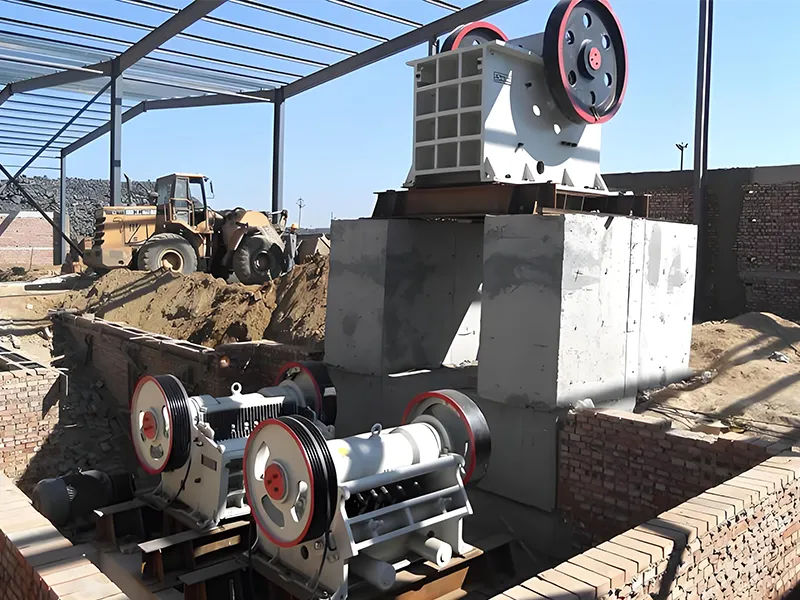
Daily Maintenance of Jaw Crushers: Essential Checklist for Maximum Uptime
In the demanding world of mining and aggregate crushing, a jaw crusher is often the heartbeat of your operation. It's the primary workhorse that breaks down massive rocks into manageable sizes, feeding the rest of your processing line. However, even the most robust crusher is only as reliable as the care it receives. Neglecting daily maintenance can lead to unexpected breakdowns, costly downtime, and safety hazards. On the other hand, a consistent daily maintenance routine ensures that your jaw crusher delivers maximum uptime, extends component life, and operates at peak efficiency. This article provides a comprehensive daily maintenance checklist tailored for jaw crushers in mining and aggregate applications, focusing on practical steps your crew can implement every shift.
Why Daily Maintenance Matters for Jaw Crushers
Jaw crushers endure extreme forces, abrasive materials, and continuous vibration. Without regular attention, minor issues can rapidly escalate into major failures. Daily maintenance serves as your first line of defense against unscheduled shutdowns. It helps you catch wear and tear early, maintain proper lubrication, and ensure that all safety devices are functional. A proactive approach not only extends the lifespan of critical components like jaw plates and bearings but also enhances crushing efficiency, reducing energy consumption per ton. From a business perspective, every hour of unplanned downtime can cost thousands in lost production, making a 15-minute daily inspection a wise investment. Moreover, consistent maintenance keeps operators safe and reduces the risk of catastrophic equipment failure.
Pre-Startup Inspection Checklist
Before firing up the crusher, perform a thorough visual and functional check. This pre-startup routine prevents starting a machine that already has a problem, which could cause further damage. Use a dedicated checklist for consistency.
Visual Walkaround
Begin by walking around the entire crusher. Look for signs of oil or grease leaks, loose bolts, cracks in the frame or housing, and excessive wear on wear parts. Pay special attention to the area around the pitman, flywheels, and toggle plate. Check that all guards and safety covers are in place. Inspect the condition of V-belts and pulleys for alignment and tension. Any missing or damaged guards must be replaced before operation.
Lubrication System Check
Proper lubrication is critical for bearing life. For grease-lubricated crushers, verify that the automatic lubrication system (if equipped) is functioning and that grease levels in the reservoir are adequate. Manually pump a few shots of grease into each bearing housing to ensure fresh grease is present and to check for blockages. Observe the used grease exit points; old, contaminated grease should be purged. For oil-lubricated systems, check oil level, color, and temperature if the unit was recently shut down. Look for any water contamination or milky appearance. Confirm that oil circulation pumps are working when the crusher is running.
Toggle Plate and Wedges
Inspect the toggle plate for cracks or deformation. A broken toggle plate often leads to sudden loss of crushing capability and can damage other components. Verify that wedge bolts are tight and that the stationary jaw is securely clamped. Loose wedges cause jaw die movement, uneven wear, and potential flywheel damage. Use a torque wrench to check critical bolts according to the manufacturer's specifications.
Jaw Die Condition
Examine both the moving and fixed jaw dies for wear patterns. Uneven wear might indicate feeding issues or improper crusher settings. Look for cracks, especially near the edges, and measure the wear profile if needed. Early identification of localized wear areas allows for rotation or rebuilding of the dies, maximizing their service life. If the die corrugations are worn flat in the center, crushing efficiency will drop, and the die should be replaced soon.
During Operation Monitoring
Once the crusher is running, vigilant monitoring can catch developing problems before they cause a shutdown.
Listen for Abnormal Noises
A properly running jaw crusher has a rhythmic, predictable sound. Any metallic knocking, grinding, or squealing could indicate a loose flywheel, broken toggle seat, bearing failure, or tramp metal in the chamber. Train operators to recognize normal sounds and stop the crusher immediately if they detect anything unusual. Investigate the source thoroughly before restarting.
Observe Material Flow and Feed Size
Ensure the feed material matches the crusher’s design specifications. Over-sized feed can cause bridging or jaw plate damage. Check that the feed is evenly distributed across the width of the crushing chamber; preferential feeding accelerates wear on one side. Monitor for any uncrushable materials like steel or wood that could cause blocking or damage. The feeder should be calibrated to avoid flooding the crusher, which can lead to overloading and premature wear.
Temperature and Pressure Monitoring
Many modern jaw crushers are equipped with temperature and pressure sensors for bearings and lube systems. Monitor these readings consistently. Sudden temperature spikes may indicate a failing bearing or lack of lubrication. For oil-lubricated systems, a drop in pressure signals a leak or pump failure. Even without sensors, use a handheld infrared thermometer to check bearing housing temperatures periodically. Compare temperatures between sides; a significant difference warrants investigation.
Post-Shutdown Tasks
After stopping the crusher, a few simple tasks can prepare it for the next shift and prevent issues from sitting unattended.
Cleaning and Housekeeping
Clear away any material buildup around the crusher frame, discharge opening, and drive components. Accumulated dirt and dust can retain moisture, leading to corrosion and blocking access for inspections. Use compressed air or a vacuum for electrical cabinets and motors, but avoid blowing dust into bearings or seals. A clean machine is easier to inspect and safer to work around.
Wear Parts Inspection
Take advantage of the shutdown to closely inspect wear parts that may have heated up during operation. Check the jaw dies, cheek plates, and toggle plate seats for cracks and wear. Measure the CSS (closed side setting) to ensure it hasn’t drifted. If jaw dies are nearing the end of their service life, schedule replacement during planned maintenance windows to avoid unplanned downtime.
Fastener Tightness
Vibration can loosen bolts over time. Perform a quick check of all accessible fasteners, especially those holding the cheek plates, jaw dies, toggle seat, and flywheels. Use a torque wrench and follow the crusher manual's specifications. Loose bolts can lead to component movement, fatigue cracks, and eventual failure.
Lubrication Best Practices
Effective lubrication extends beyond daily checks. Use the correct type and grade of grease or oil recommended by the crusher manufacturer. Over-greasing can be as harmful as under-greasing, causing overheating and seal damage. Implement a lubrication schedule that includes daily, weekly, and monthly tasks. Keep records of lubricant consumption to identify trends, such as increased usage that might indicate seal deterioration. Train maintenance personnel on proper grease application techniques, and ensure that dirt cannot enter the fittings when connecting the grease gun.
Common Mistakes to Avoid
Even well-intentioned maintenance programs can falter. Avoid these common mistakes:
Skipping inspections due to time pressure. A brief daily check can prevent days of lost production.
Ignoring minor oil leaks. A small leak often signals a seal failure that will worsen, potentially leading to contaminated bearings.
Running the crusher with worn-out jaw dies. This reduces throughput, increases energy consumption, and places extra stress on other components.
Neglecting to adjust the toggle plate tension. Proper tension is crucial for consistent crushing forces and protection against tramp iron.
Using non-OEM parts. Substandard wear parts may not fit correctly or have the right metallurgy, leading to premature failure and potential damage.
The Role of OEM Parts in Daily Maintenance
The quality of replacement and wear parts directly impacts the effectiveness of your daily maintenance efforts. Genuine OEM (Original Equipment Manufacturer) parts are engineered to the exact specifications of your crusher, ensuring proper fit, performance, and longevity. Using inferior aftermarket parts can result in uneven wear, reduced crushing efficiency, and even catastrophic damage. When you source jaw dies, cheek plates, toggle plates, and bearings from the OEM or an authorized supplier, you gain access to material science advancements and technical support. In many cases, OEM parts come with performance guarantees that provide extra peace of mind. Incorporating genuine parts into your maintenance plan is a strategic decision that supports the reliability of your entire operation.
Conclusion: Your Daily Routine for Crushing Success
Daily maintenance of jaw crushers is not about complex procedures; it’s about consistency, observation, and prompt action. A structured checklist implemented every shift saves time, money, and headaches in the long run. By integrating the pre-startup, operational, and post-shutdown tasks outlined above, you can dramatically improve the uptime and productivity of your crushing circuit. Remember, the key is to make daily maintenance a non-negotiable habit for your team. For further guidance on crusher maintenance, or to source high-quality OEM parts and expert service, contact our team today. Download our free "Jaw Crusher Daily Maintenance Checklist" to keep your operation running at its best, or reach out for personalized support tailored to your equipment fleet.
jaw crusher daily maintenance,jaw plate inspection,jaw crusher lubrication,rock crusher upkeep,sand plant crusher care,jaw crusher repair,mining crushing machine maintenance,jaw crusher spare parts,stone crusher inspection,jaw crusher service guide
Related Products
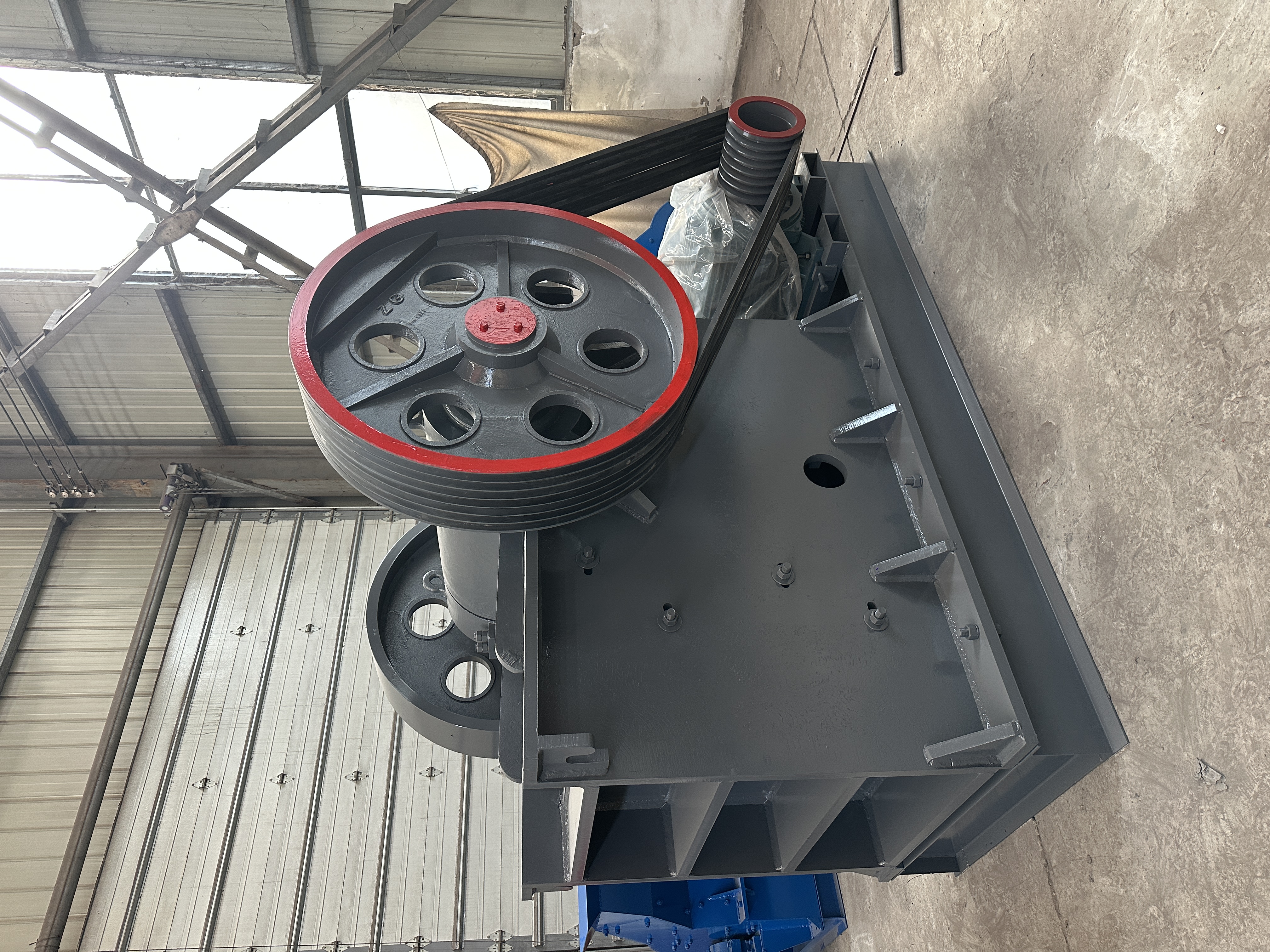
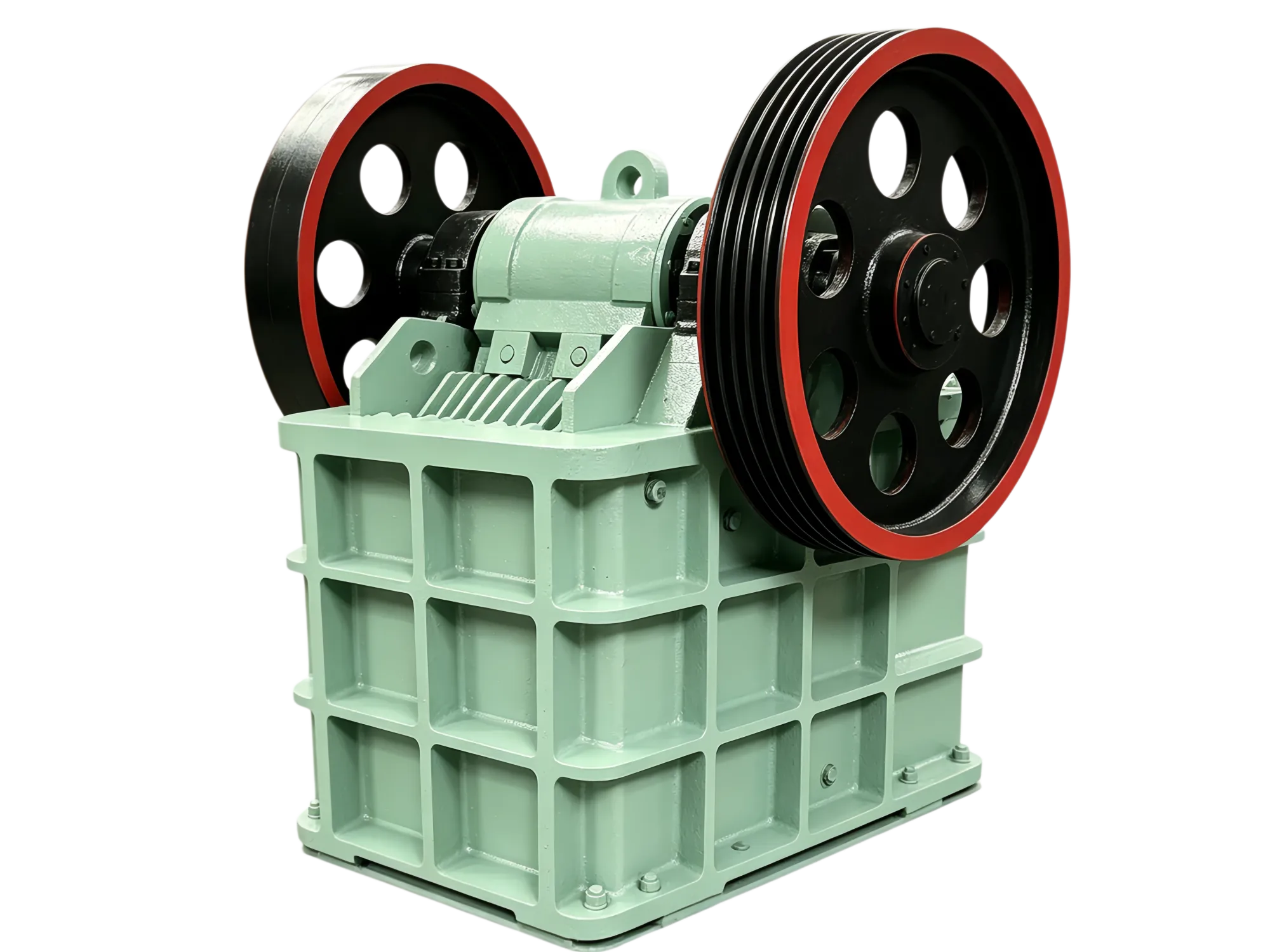
The jaw crusher is the primary primary crushing equipment in industrial crushing production lines and is widely used in the mining, metallurgy and building materials sectors. This equipment offers advantages such as a high crushing ratio, uniform product particle size and a simple structure.
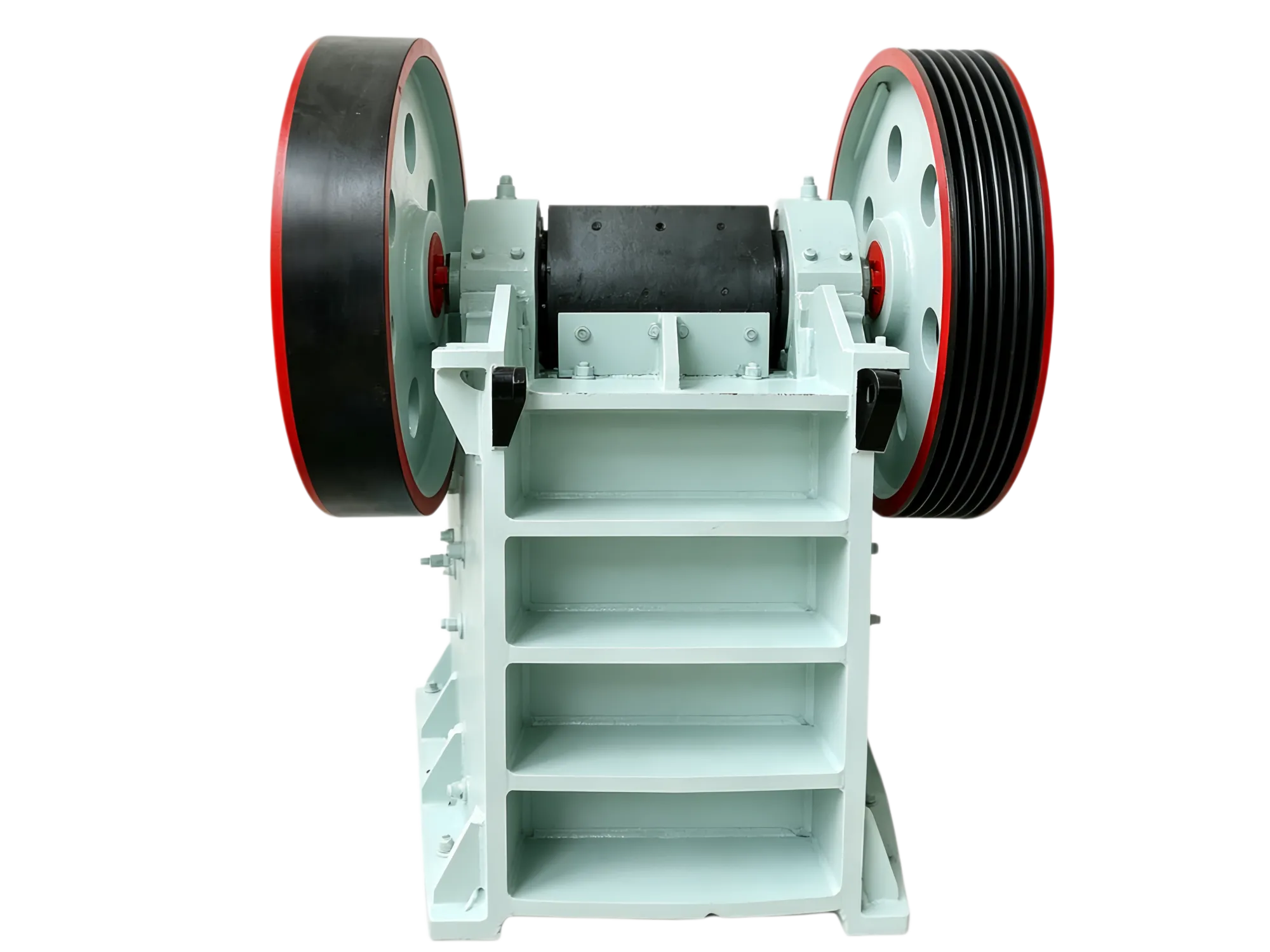
PE500*750 jaw crusher (57 jaw crusher) is a high-efficiency primary crusher for small & medium mines. Feeding port 500×750mm, max feeding size ≤425mm, 55KW motor, 40-110 T/H capacity. It crushes medium-hard materials smoothly, with adjustable discharge port (50-100mm), high efficiency and low blocki
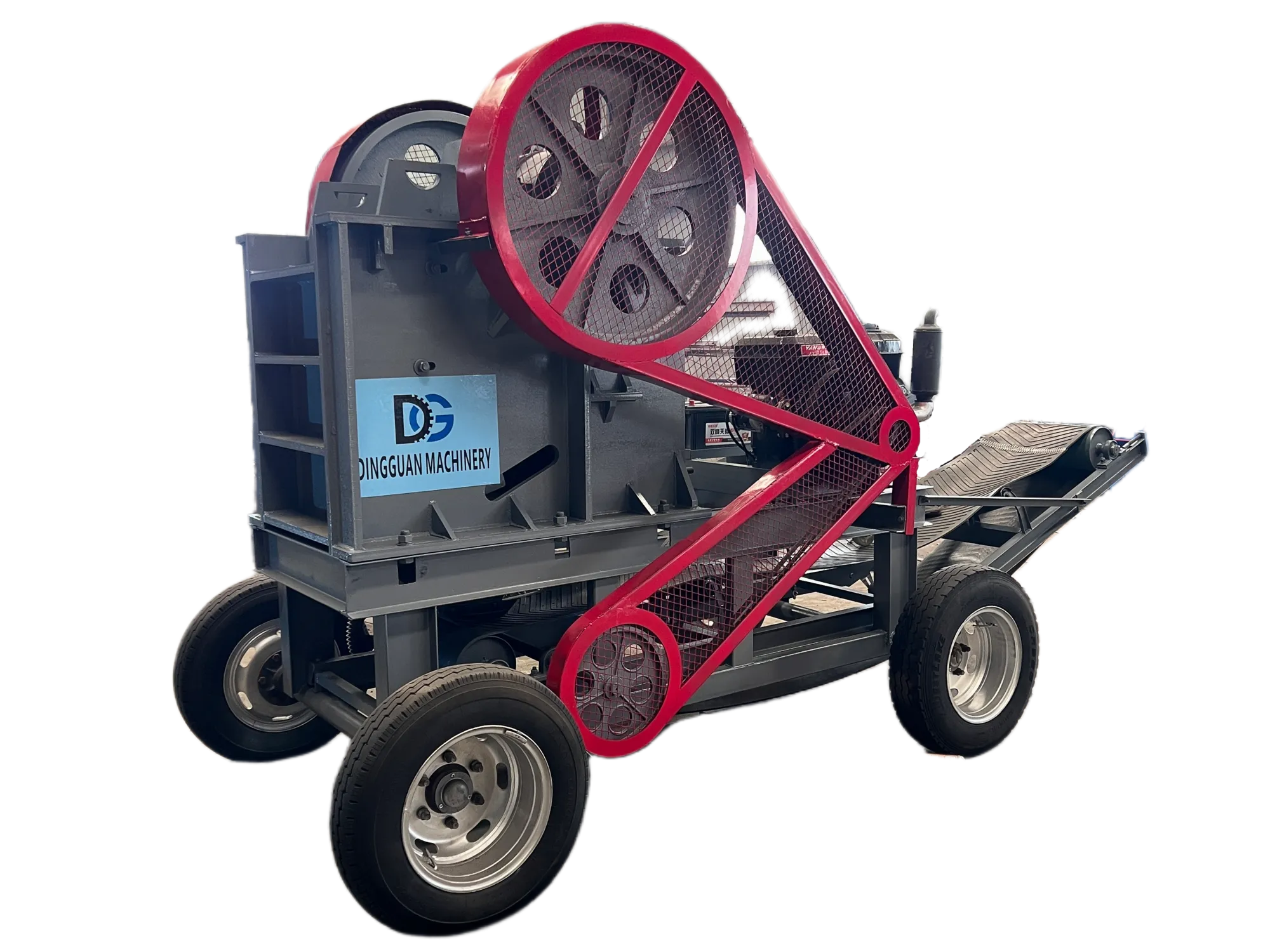
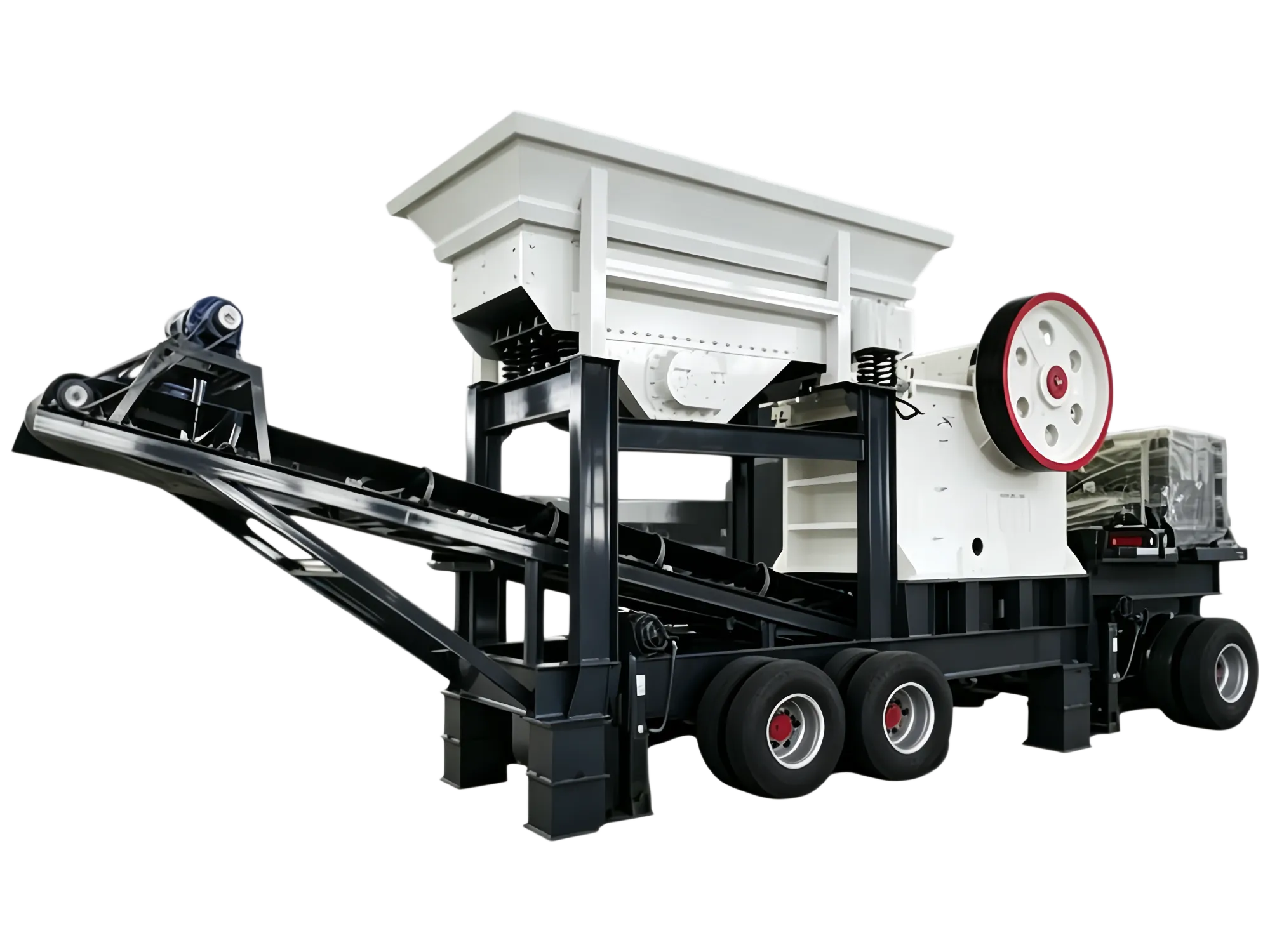
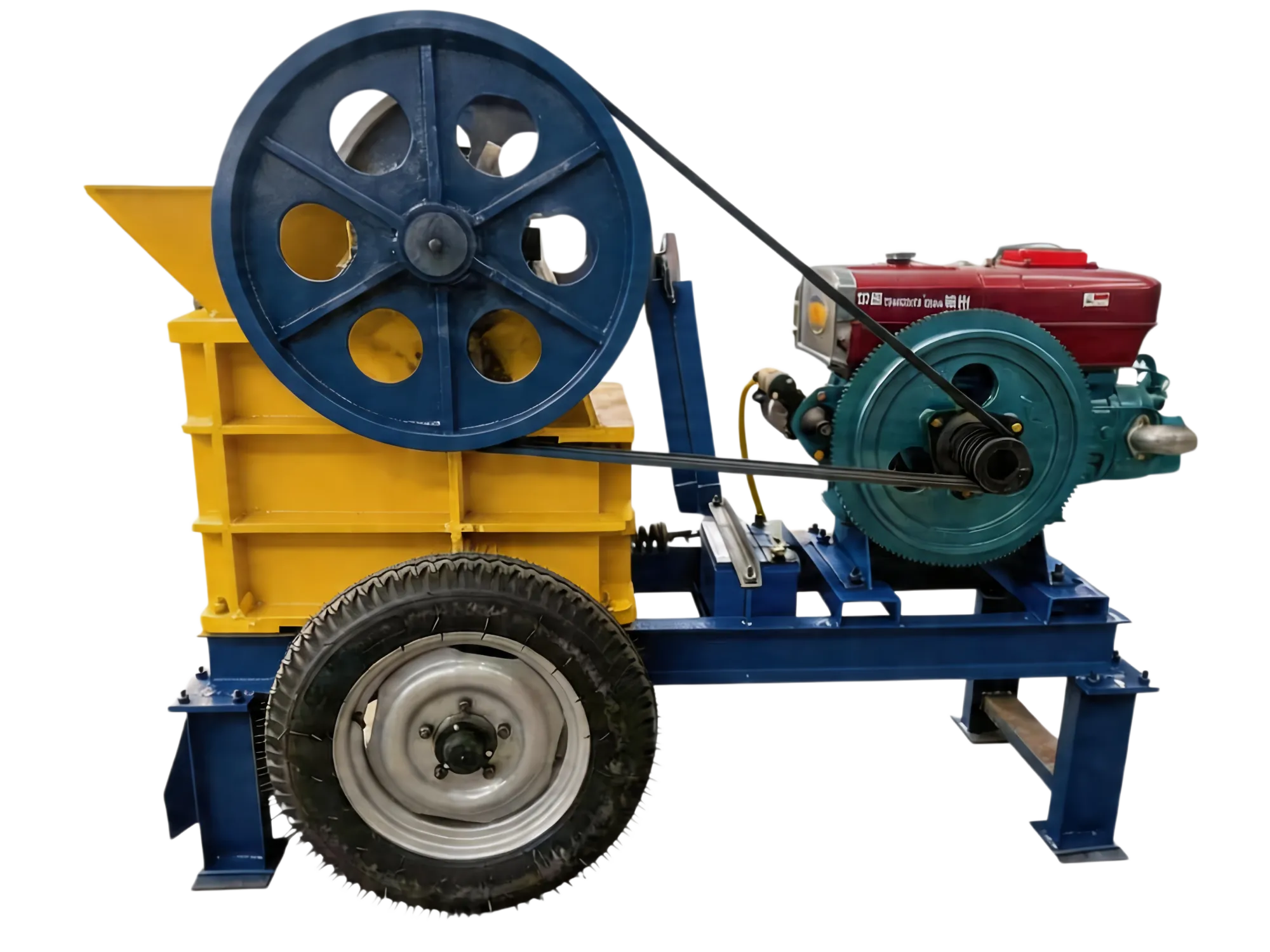
This 300x500 mobile diesel jaw crusher is a high-output portable crushing machine equipped with a 36HP single-cylinder diesel engine. It features 30-50 tons per hour stable output, fully mobile design and no external power demand. Compact and easy to operate,