Project Background
Stellar Mining Ltd., a mid-tier gold producer, operates an open-pit mine in the remote Kalgoorlie region of Western Australia. The operation extracts hard, abrasive gold-bearing quartzite with compressive strengths exceeding 250 MPa. Until 2022, the mine relied on a stationary jaw crusher station located near the pit rim, requiring a fleet of six 60-tonne rigid dump trucks to haul ROM (run-of-mine) material over a one-way distance of 2.8 km. As the pit deepened and expanded laterally, the haul cycle time increased to 45 minutes, fuel consumption soared, and the stationary plant became a bottleneck during peak production months. The management sought a flexible, cost-effective primary crushing solution that could relocate with the advancing working faces, eliminate excessive truck haulage, and maintain a steady feed of -200 mm product to the secondary cone crusher circuit.
Challenges
The site faced several critical operational challenges that drove the need for a mobile jaw crusher solution:
- Rising haulage costs: With an average diesel price of AUD 1.70 per litre, the 6-truck fleet consumed over 800,000 litres annually. The long uphill haul from the pit bottom also accelerated tyre wear and drivetrain maintenance, pushing operating costs beyond budget.
- Stationary crusher inflexibility: The fixed jaw crusher, installed 12 years earlier, could not keep pace with the shifting mine geometry. Its location meant that as the pit deepened, the mean haul distance grew by 15% each year, directly impacting production scheduling and total tonnes moved.
- Harsh material characteristics: The quartzite ore is highly abrasive and slabby, frequently causing bridging in the stationary crusher’s feed hopper and excessive jaw plate wear, which led to unscheduled downtime averaging 18 hours per month.
- Production scaling demands: The board set a throughput target of 500 tonnes per hour (tph) on a 20-hour-per-day, 6-day-per-week schedule to meet mill feed requirements while also addressing a growing low-grade stockpile that needed re-crushing.
- Environmental and permitting constraints: Expanding the existing fixed plant would have required a lengthy approval process, dust suppression upgrades, and a capital outlay of over AUD 4 million, which the company wanted to avoid.
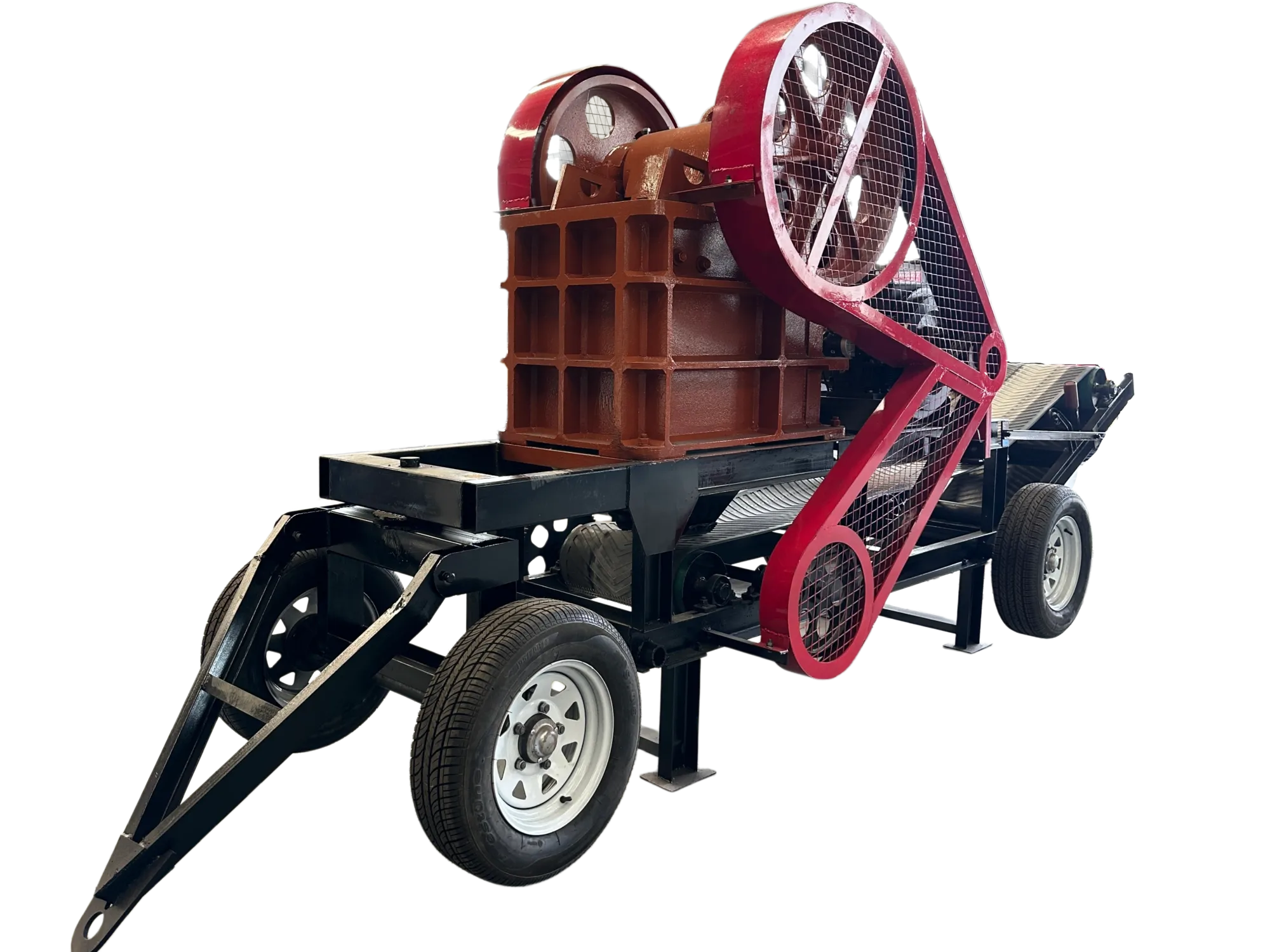
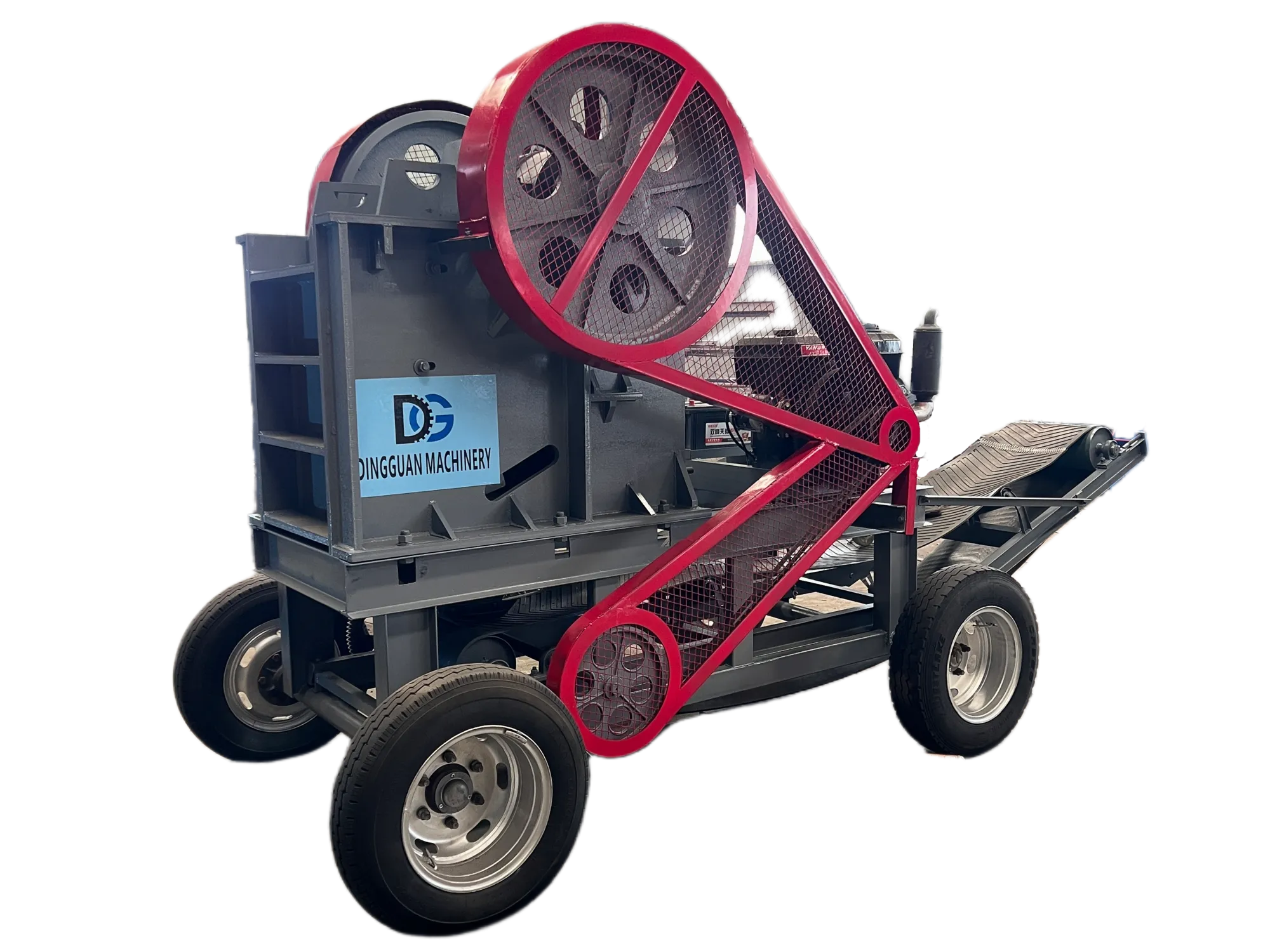
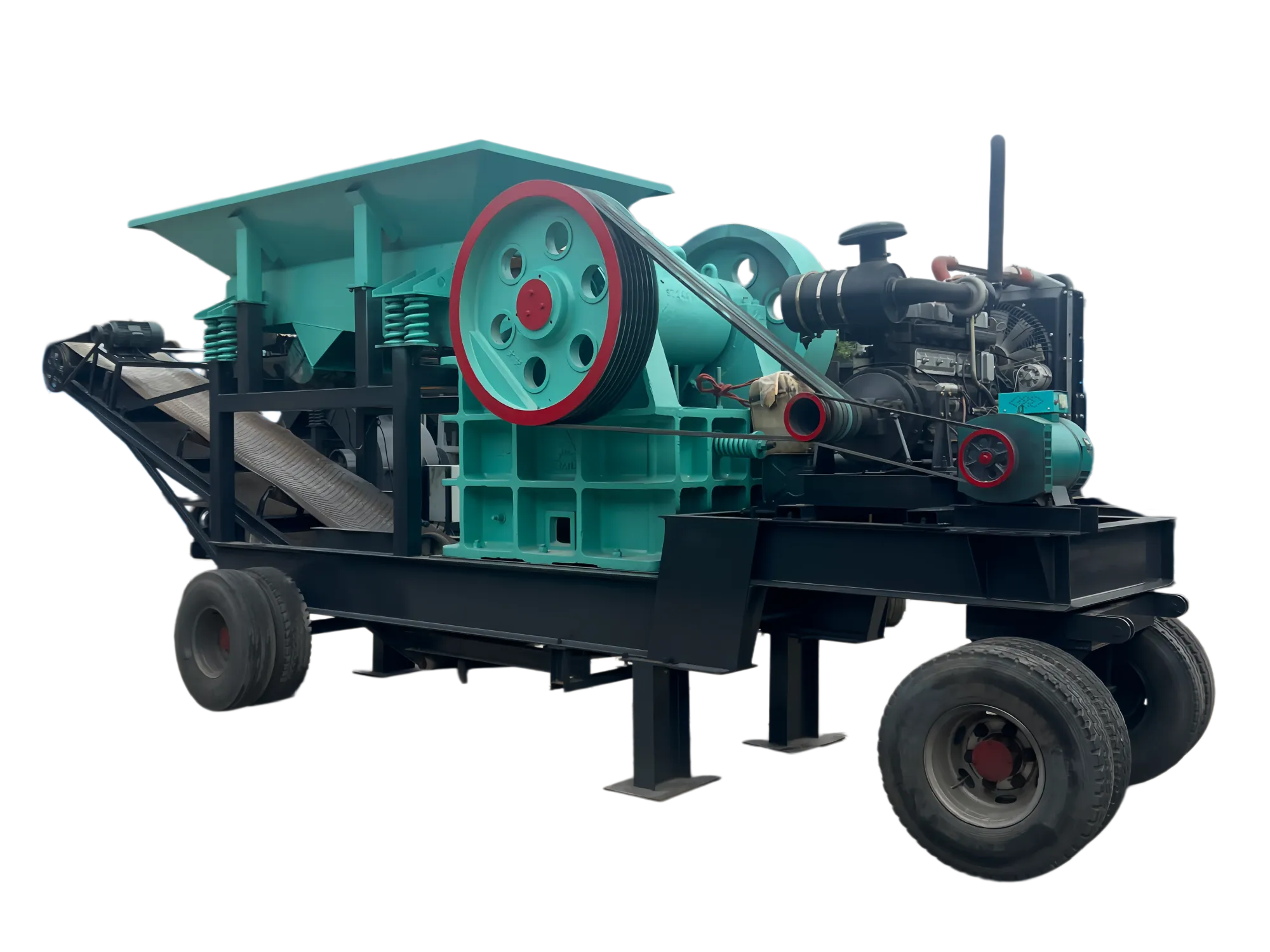
These challenges made a mobile jaw crusher the logical choice—a machine that could operate inside the pit, be fed directly by excavator, and be repositioned in under 90 minutes as the face advanced.
Solution
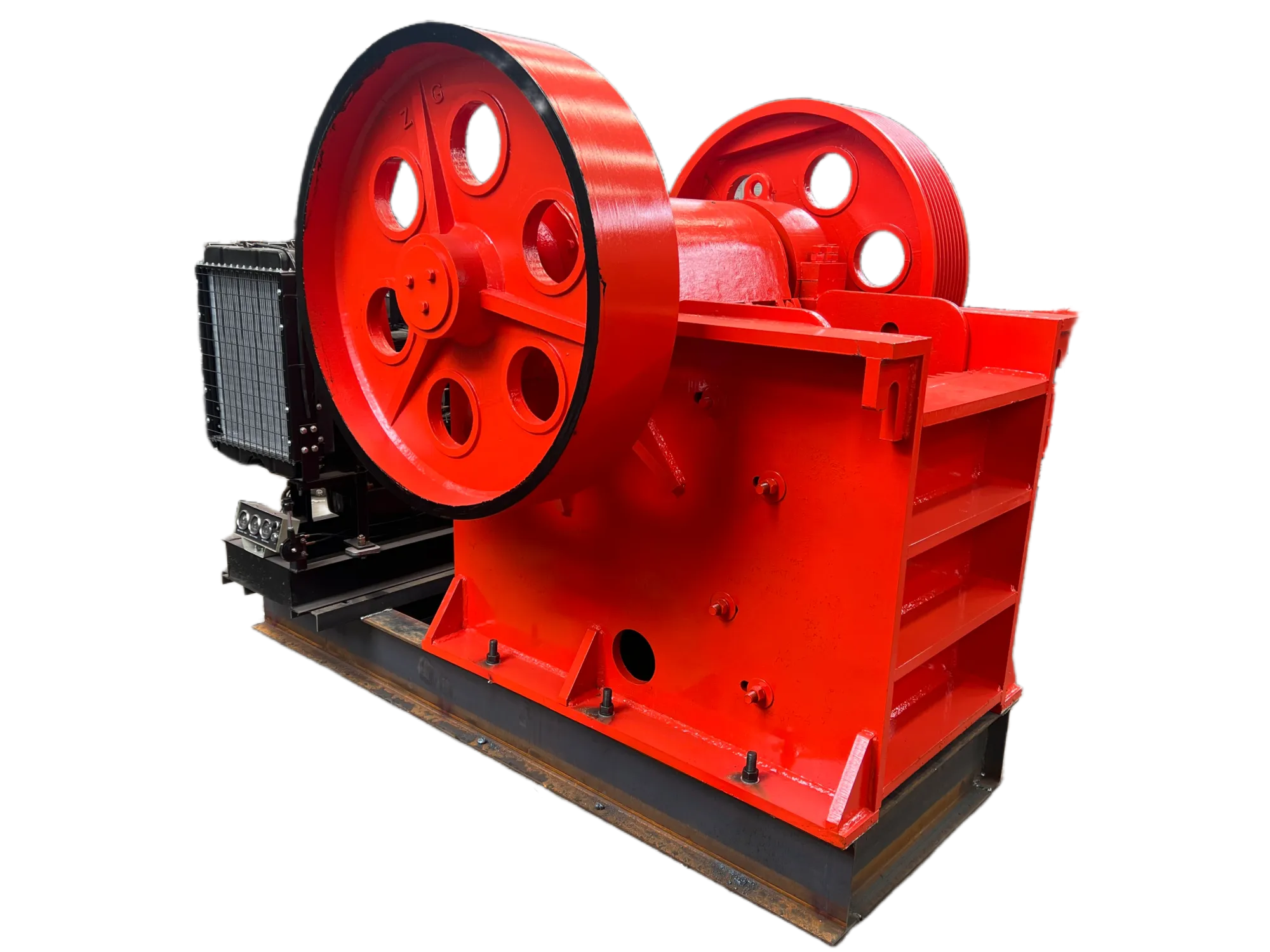
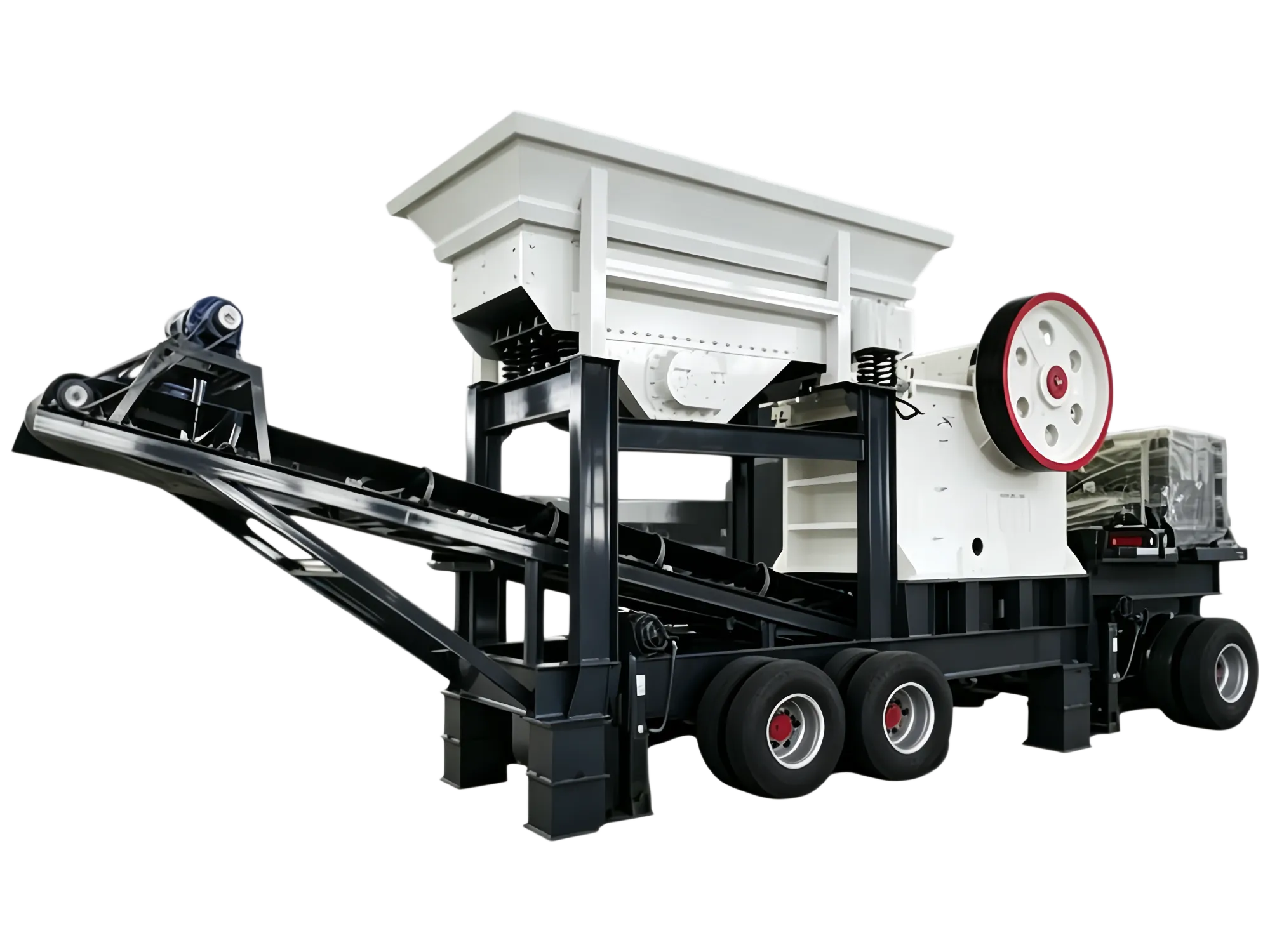
After a detailed feasibility study and site visits with process engineers, Stellar Mining selected the Komatsu BR550JG-1 mobile jaw crusher as its new primary crushing unit. This track-mounted mobile jaw crusher features a large 1,300 mm x 1,000 mm jaw opening, a powerful 345 kW Tier 3 engine, and an advanced hydraulically assisted gap adjustment system. The crusher is capable of processing up to 600 tph with a closed-side setting (CSS) of 150–200 mm, delivering a product size suitable for the existing cone crusher bypass stockpile.
The implementation strategy followed a phased approach:
- Pilot deployment (January–March 2022): The mobile jaw crusher was positioned on the 560-metre bench, fed directly by a 90-tonne excavator loading ROM from two active blast faces. During this trial, the machine consistently processed 480 tph of hard quartzite, operating 19 effective hours per day.
- Process integration: A 30-metre wheeled conveyor stacker was placed beneath the crusher discharge, creating a surge pile that fed a mobile scalping screen. The oversize (+120 mm) recirculated via wheel loader to a small stockpile, while the -120 mm material was trucked a short 400-metre distance to the secondary cone circuit. This configuration eliminated the need for long-distance trucking of ROM.
- Operational workflow: The mobile jaw crusher relocates every 2–4 weeks to follow the mining advance, using its on-board tracks. Setup time after a blast is typically 60–90 minutes, including levelling, conveyor alignment, and safety checks. Fuel consumption stabilized at 42 litres per hour—a fraction of the previous truck fleet’s burn rate.
Equipment Used
The core of the solution was the Komatsu BR550JG-1 Mobile Jaw Crusher, supported by ancillary equipment:
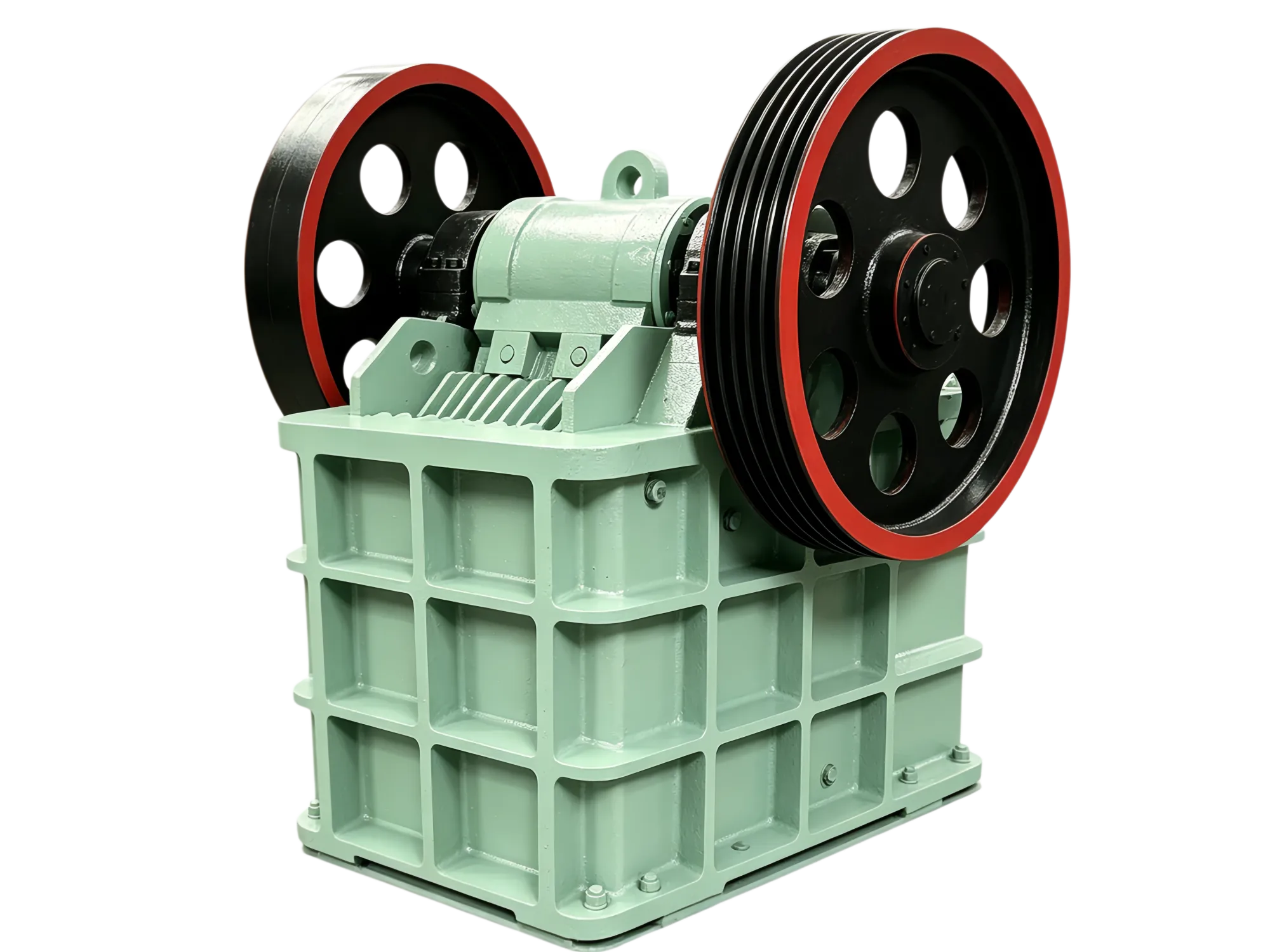
- Mobile jaw crusher specifications: Jaw opening 1,300 mm x 1,000 mm; maximum feed size 1,000 mm x 800 mm x material-specific; CSS range 100–200 mm; processing capacity 350–600 tph; operating weight 68 tonnes; transport speed 2.5 km/h.
- Grizzly feeder: A 1,200 mm aperture vibrating grizzly removes undersize material before the jaw chamber, reducing wear and increasing effective throughput.
- On-board magnetic separator: Extracts tramp iron, protecting downstream cone crusher and belts.
- Dust suppression system: High-pressure water mist nozzles at the crusher inlet and discharge points controlled dust to below 5 mg/m³, meeting regulatory requirements without the need for extraction hoods.
- Support fleet: One 90-tonne excavator (Hitachi EX1200) for feeding, one WA600 wheel loader for surge pile management, and temporary conveyor systems that were modular and moved with the crusher.
The mobile jaw crusher’s versatility was key: when the mine encountered exceptionally slabby material, the operator could quickly adjust the jaw CSS via the in-cab hydraulic system, preventing blockages that had plagued the stationary plant.
Results & Impact
The switch to a pit-side mobile jaw crusher delivered transformative operational and financial outcomes within the first 18 months:
- 60% reduction in truck fleet requirements: The number of dump trucks dedicated to ROM haulage dropped from six to two, as only crushed product was trucked the shortened distance. Diesel consumption decreased by 470,000 litres per year, saving Stellar Mining approximately AUD 800,000 annually.
- Throughput consistency: The mobile jaw crusher maintained an average of 505 tph over 4,700 operating hours in the first year, exceeding the 500 tph target. Overall primary crushing capacity increased by 18% compared to the old stationary circuit, which had averaged 428 tph due to downtime and bridging events.
- Uptime improved to 92%: Unplanned downtime fell from 18 hours/month to just 6 hours/month, attributed to the machine’s ability to handle slabby feed and the proactive use of the hydraulic release overload protection system.
- Cost per tonne crushed: Inclusive of fuel, wear parts, labor, and maintenance, the mobile jaw crusher achieved a cost of AUD 0.62 per tonne, compared to AUD 1.10 per tonne with the previous fixed plant and extensive trucking. Jaw plate life averaged 320 hours per set, manageable within scheduled maintenance shifts.
- Operational flexibility: The unit was successfully redeployed 17 times in the first year, closely following the mine plan. It also crushed 85,000 tonnes of low-grade stockpile material during a 6-week period when high-grade faces were temporarily unavailable, demonstrating its versatility.
- Emissions and sustainability: CO₂ emissions dropped by 1,200 tonnes annually due to reduced truck diesel use and less frequent blast-to-crush cycle time. The project contributed to the company’s ESG goals and was well-received by regulators.
Stellar Mining’s experience demonstrates that a well-specified mobile jaw crusher can fundamentally reshape pit-to-plant logistics in hard-rock mining. By moving the primary crushing step directly to the working face, the company unlocked significant savings, boosted productivity, and gained the agility needed to adapt to a dynamic mine plan—all without heavy fixed-plant capital expenditure. The success has prompted management to invest in a second mobile jaw crusher unit for a neighbouring satellite deposit, with an expected payback period of under 14 months.