Unlocking Efficiency: The Key Advantages of Mobile Jaw Crushers in Mining Crushing
Unlocking Efficiency: The Key Advantages of Mobile Jaw Crushers in Mining Crushing
In today's fast-paced mining and aggregate crushing industry, the demand for flexible, high-performance equipment has never been greater. As extraction sites become more remote and project timelines tighter, stationary crushing plants often fall short in delivering the agility and cost-efficiency that modern operations require. This is where mobile jaw crushers have emerged as a game-changing solution. Designed to move with the operation, these portable powerhouses are revolutionizing how raw materials are processed—from quarry face to final product. In this article, we explore the top advantages of using mobile jaw crushers in mining crushing and why they are becoming the preferred choice for aggregate producers worldwide.
What is a Mobile Jaw Crusher ?
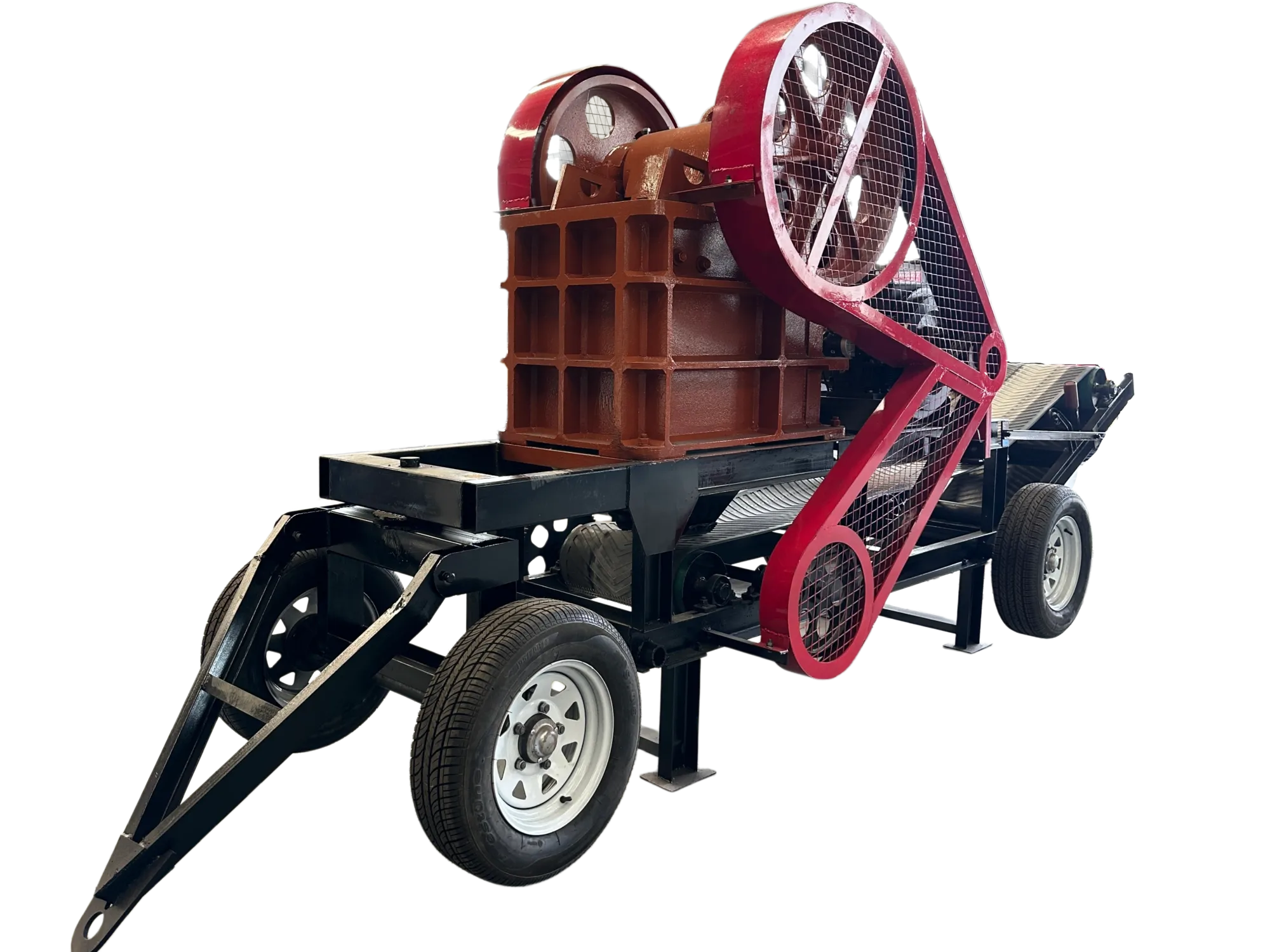
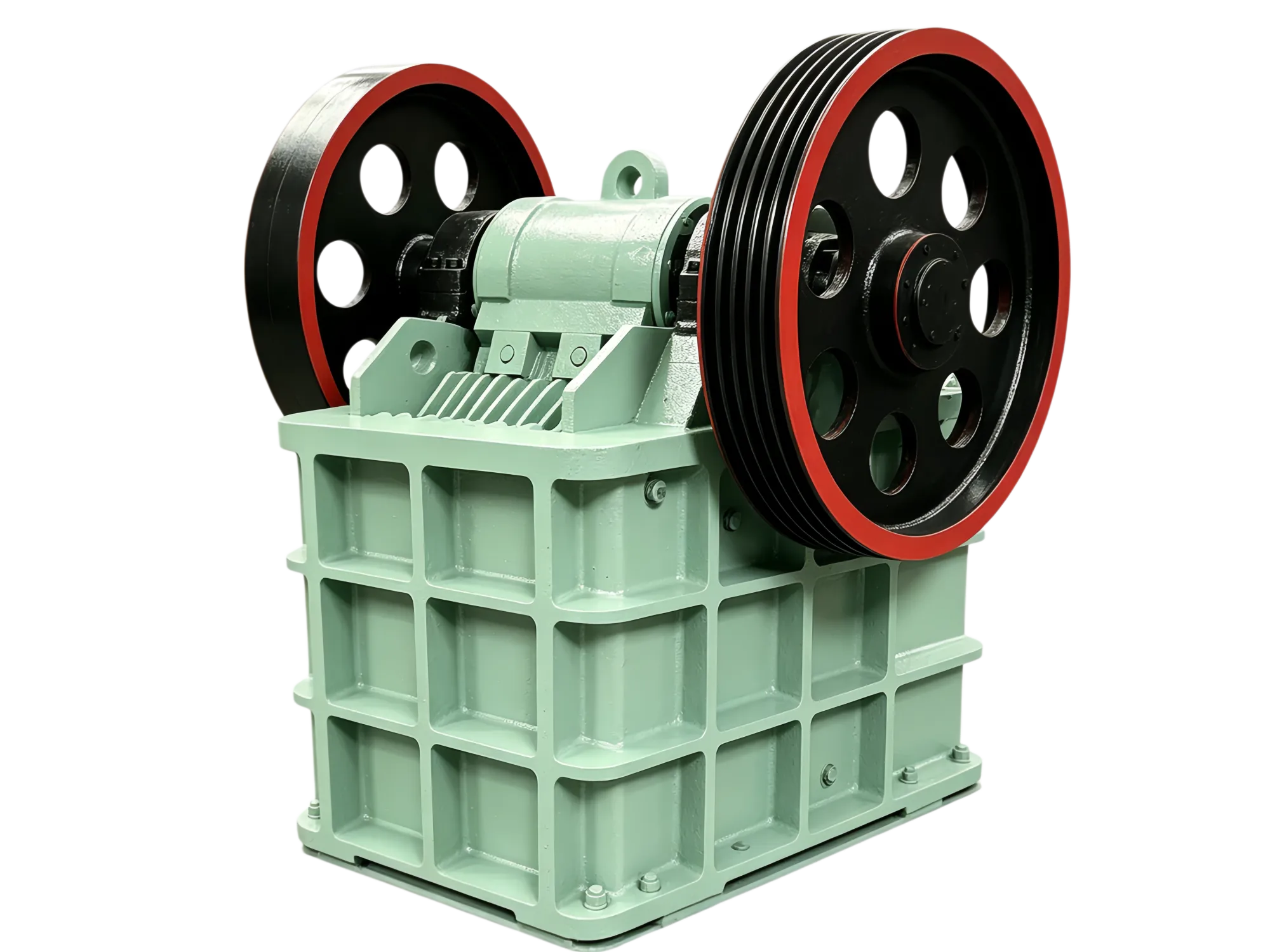
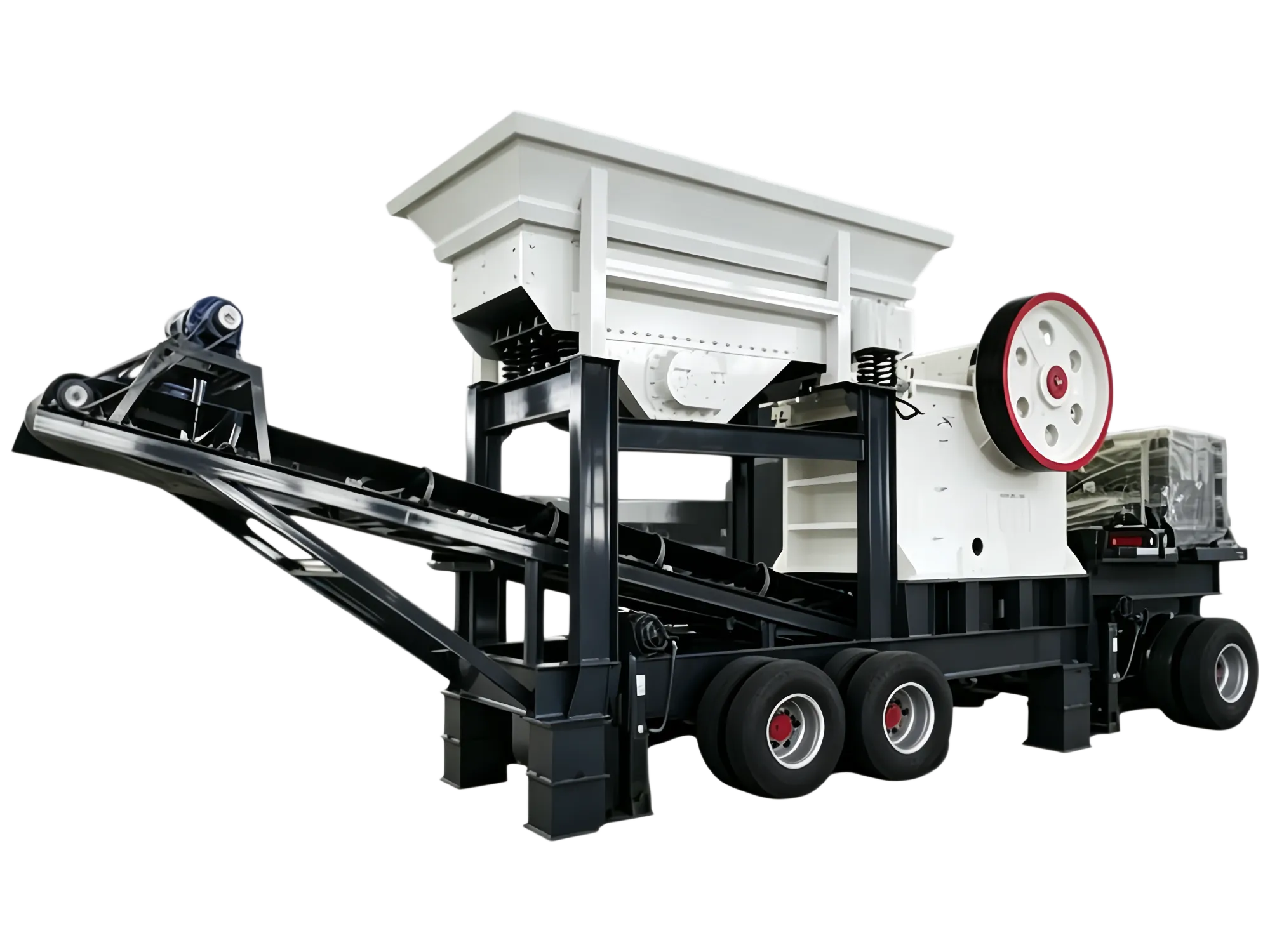
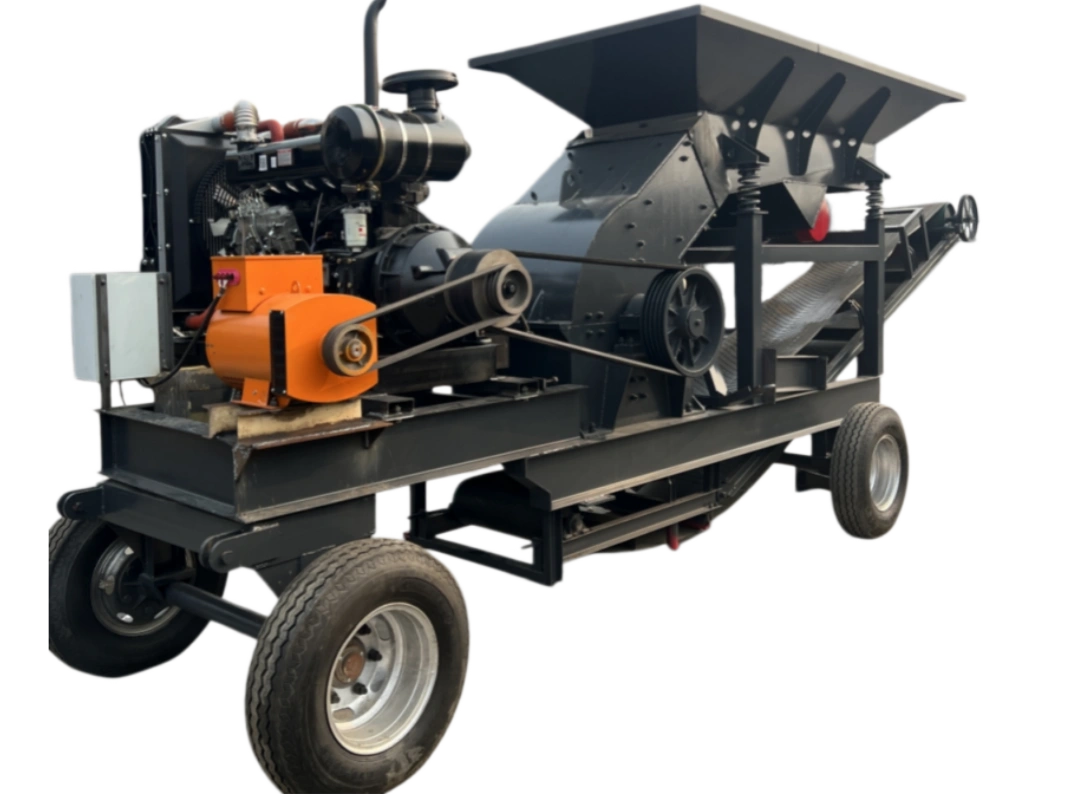
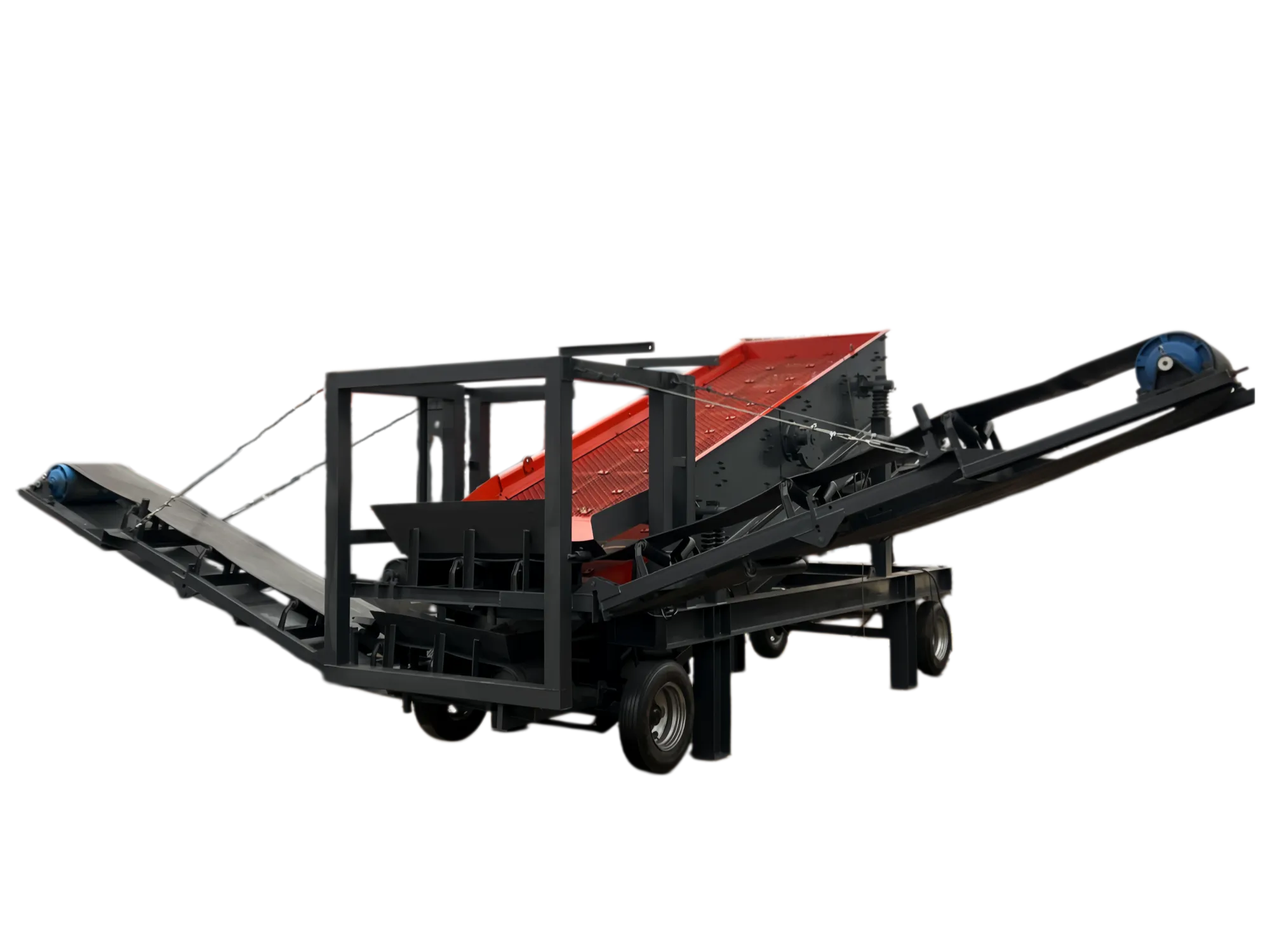
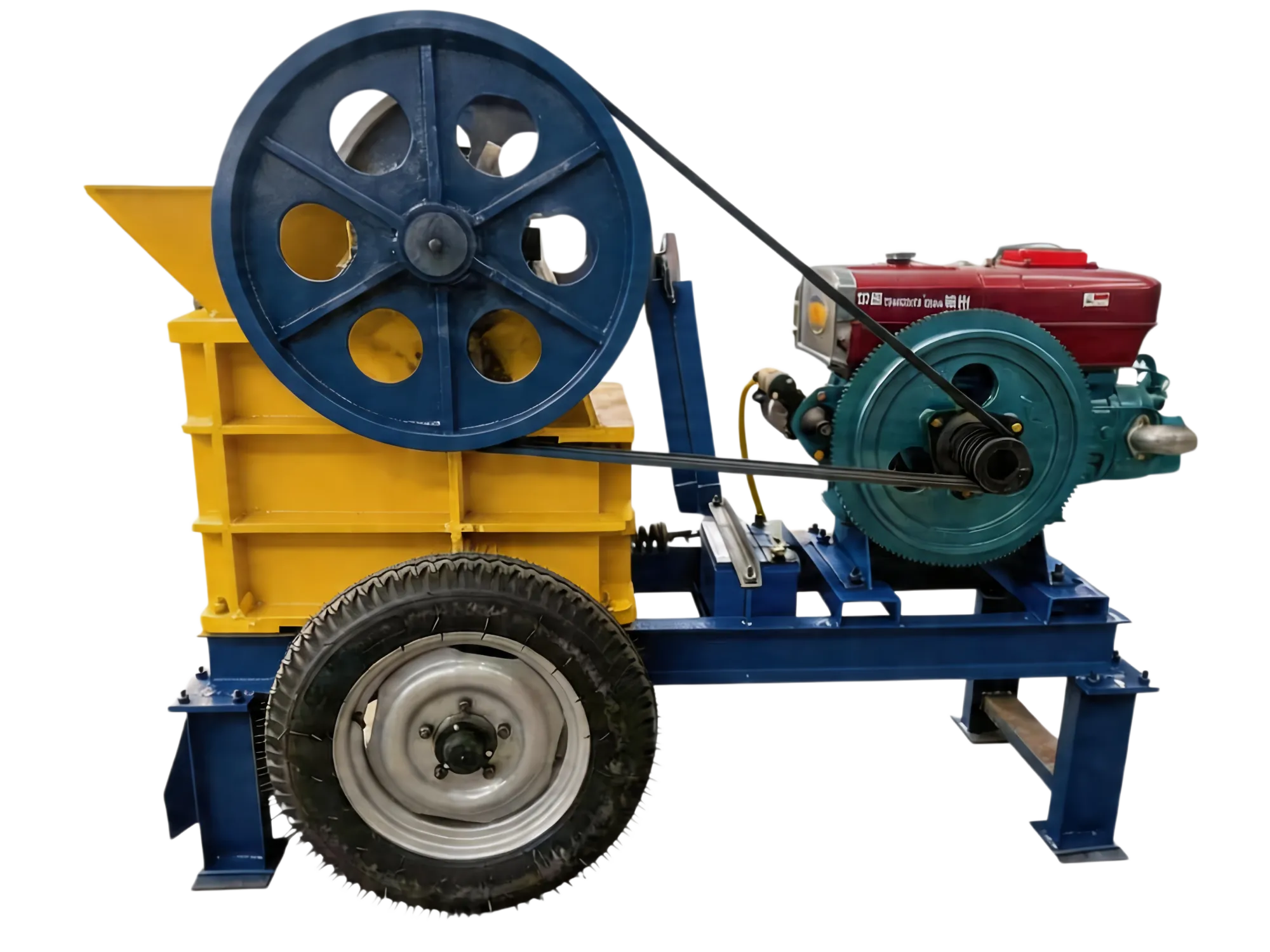
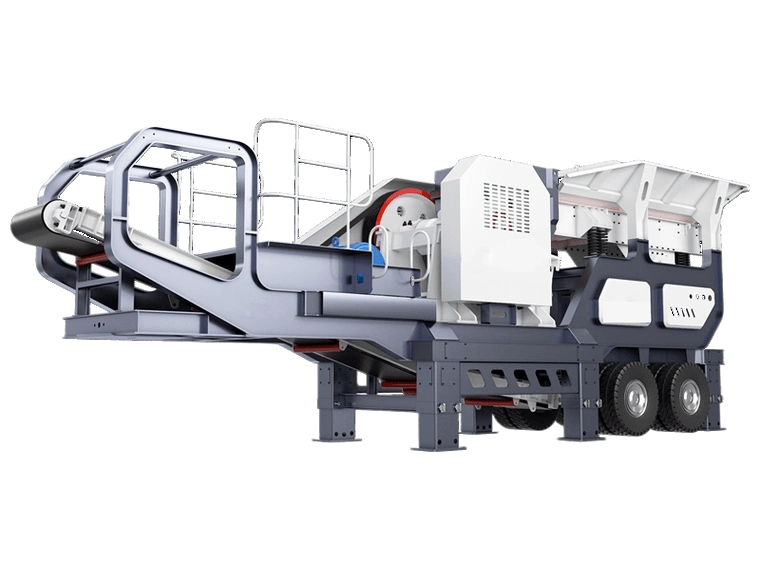
A mobile jaw crusher is a track-mounted or wheel-mounted crushing machine that integrates a jaw crusher, feeder, hopper, conveyor, and power unit onto a single mobile chassis. Unlike traditional stationary jaw crushers that require poured concrete foundations and fixed infrastructure, these units can be quickly relocated within a site or transported between different sites. They are specifically engineered to process blasted rock, demolition debris, and natural stone directly at the extraction point, eliminating the need for costly material hauling. Key components include:
Heavy-duty jaw crusher unit (often with hydraulically adjustable CSS)
Vibrating grizzly feeder for scalping fines
Main discharge conveyor with optional side conveyors
Track or wheel undercarriage for mobility
Onboard diesel-hydraulic or diesel-electric powerpack
Popular among quarry operators and mining contractors, these machines offer a robust yet compact solution for primary crushing applications. Whether you're dealing with hard granite or recycled concrete, a portable jaw crusher for hard rock can deliver consistent output sizes ranging from 100 to 800 tons per hour.
Primary Advantages of Mobile Jaw Crushers in Mining Crushing
1. Unmatched Mobility and On-Site Flexibility
The most obvious advantage of a track-mounted jaw crusher is its ability to move freely around the mining or quarry site. With zero disassembly required, operators can drive the unit from one blast pile to another within minutes, keeping the crusher constantly fed with fresh material. This eliminates the double- or triple-handling of material that plagues stationary setups, significantly reducing load-and-haul costs. In multi-bench quarry operations, a mobile crushing plant can be repositioned multiple times per day, maximizing uptime and overall throughput.
2. Reduced Operational and Material Handling Costs
By placing the crusher directly at the face, the distance material must be moved is dramatically shortened. This translates into:
Lower fuel consumption for haul trucks and loaders
Reduced wear and tear on load-haul-dump equipment
Fewer dust emissions and improved site safety
Downsizing or eliminating the need for haul trucks altogether
For mining operations working in remote locations, a diesel-powered mobile jaw crusher can run independently of grid power, cutting the cost of extending electrical lines. Many models now feature fuel-efficient engines and load-sensing hydraulics to further drive down operating expenses.
3. Rapid Setup and Dismantling
Time is money, and mobile jaw crushers excel in quick deployment. There’s no need for concrete foundations, permitting delays, or heavy lifting cranes. Typically, a unit can be set up and crushing within 30 minutes of arriving on site. This agility is critical for short-term mining contracts, pilot projects, or seasonal aggregate production. When the job is done, the crusher can be packed up and transported to the next project using standard lowboy trailers, minimizing logistical headaches.
4. Versatility Across Diverse Applications
Modern mobile jaw crushers are not one-trick ponies. They can be equipped with optional features like magnetic separators, water spray systems, and side conveyors to handle a variety of materials. Common applications include:
Primary crushing of blasted quarry rock
Recycling demolition debris and concrete
Production of road base and sub-base aggregates
Crushing river gravel for construction sand
Processing ore in small-scale mining operations
This flexibility means a single portable jaw crusher can serve multiple roles across different sites, maximizing return on investment. For operators who frequently switch between rock types, the ability to adjust the closed-side setting (CSS) hydraulically in minutes ensures consistent product gradation without changing wear parts.
5. Lower Capital Investment and Scalability
Stationary crushing plants require substantial upfront capital for civil works, conveyors, and ancillary structures. In contrast, a tracked jaw crusher can be acquired for a fraction of the cost and put to work immediately. For growing companies, mobile units offer a scalable path: start with one primary crusher, then add mobile screens and cone crushers as production demand increases. This modular approach preserves cash flow and adapts to market fluctuations with minimal risk.
6. Enhanced Safety and Environmental Compliance
Modern mobile jaw crushers are designed with operator safety in mind. Features like remote-control operation, hydraulic blockage clearance, and dust suppression systems help meet stringent mine safety and environmental regulations. By crushing on site, the number of truck movements is reduced, which lowers the risk of traffic-related incidents and decreases the site's overall carbon footprint. Many units are also Tier 4 Final/Stage V compliant, ensuring they can operate in regions with strict emission standards.
Comparison: Mobile vs. Stationary Jaw Crushers
While stationary jaw crushers have their place in high-volume permanent installations, the tide is turning toward mobile solutions. The table below highlights key differences:
Feature | Mobile Jaw Crusher | Stationary Jaw Crusher |
|---|---|---|
Mobility | Fully self-propelled on tracks or wheels | Fixed in place, requires trucks for material feed |
Installation Time | 30 minutes to operational | Weeks to months (civil works, assembly) |
Capital Cost | Lower initial investment | Higher due to infrastructure |
Operating Cost/Ton | Often lower due to reduced hauling | Potentially lower energy cost but higher labor/transport |
Production Output | Up to 800 tph (varies by model) | Up to 1,500+ tph |
Scalability | Highly scalable with modular fleet | Requires major plant expansion |
For most mining and aggregate operations with variable site conditions, the benefits of mobile jaw crushers far outweigh any theoretical throughput advantage of stationary plants.
Long-Term Value: Maintenance and Uptime
Another often overlooked advantage is the ease of maintenance. A mobile jaw crushing plant is typically built with off-the-shelf components and accessible service points. Wear parts like jaw dies and cheek plates can be replaced quickly using the on-board crane or lifting device. Many manufacturers offer telematics that enable remote monitoring of fuel levels, engine hours, and crusher performance, allowing proactive maintenance scheduling. This results in higher overall uptime—a critical factor in mining where every hour of downtime can cost tens of thousands of dollars.
When considering a used mobile jaw crusher for sale, buyers should still expect decades of reliable service if the unit has been properly maintained. Even older models retain strong resale value due to the global demand for portable crushing solutions.
How to Choose the Right Mobile Jaw Crusher for Your Operation
Selecting the optimal unit depends on several factors:
Feed material: Hardness, abrasiveness, and size distribution. For extremely hard rock like basalt, look for a crusher with high swing jaw durability.
Required capacity: Match the crusher’s throughput to your expected daily tonnage.
Mobility needs: Tracked models offer greater terrain capability; wheeled models are faster for on-road relocation.
Power source: Diesel-hydraulic for remote use, diesel-electric for lower fuel costs, or plug-in electric for sites with grid power.
Discharge conveyors: Consider a side conveyor option if scalping fines is necessary to improve product quality.
Consultation with equipment experts and visiting demo sites can help ensure you invest in a crusher that aligns with your long-term production targets.
Conclusion: Embrace Mobility for a Competitive Edge
The advantages of mobile jaw crushers in the mining crushing industry are clear: reduced hauling costs, rapid deployment, operational flexibility, and a lower capital barrier to entry. As the trend toward smaller, multi-bench quarries and on-demand aggregate supply continues, the role of portable primary crushers will only grow. Whether you're a contractor looking to expand your services or a mine manager seeking to cut costs per ton, integrating a mobile jaw crusher into your fleet is a strategic move that pays for itself quickly.
Ready to boost your site's efficiency? Explore our range of premium mobile jaw crushers designed for the toughest mining and aggregate applications. Contact our team today for a personalized consultation or request a quote online to find the perfect machine for your next project.
mobile jaw crusher for mining and aggregate processing, tracked jaw crusher rapid site relocation, high-manganese jaw plate wear-resistant crusher, mobile crushing plant 5000 tons per day, mobile jaw crusher for construction waste recycling, primary crushing mobile crusher for open-pit mining, deep-cavity jaw crusher energy saving 15%