
600x900 Jaw Crusher Performance Parameters & Output Capacity
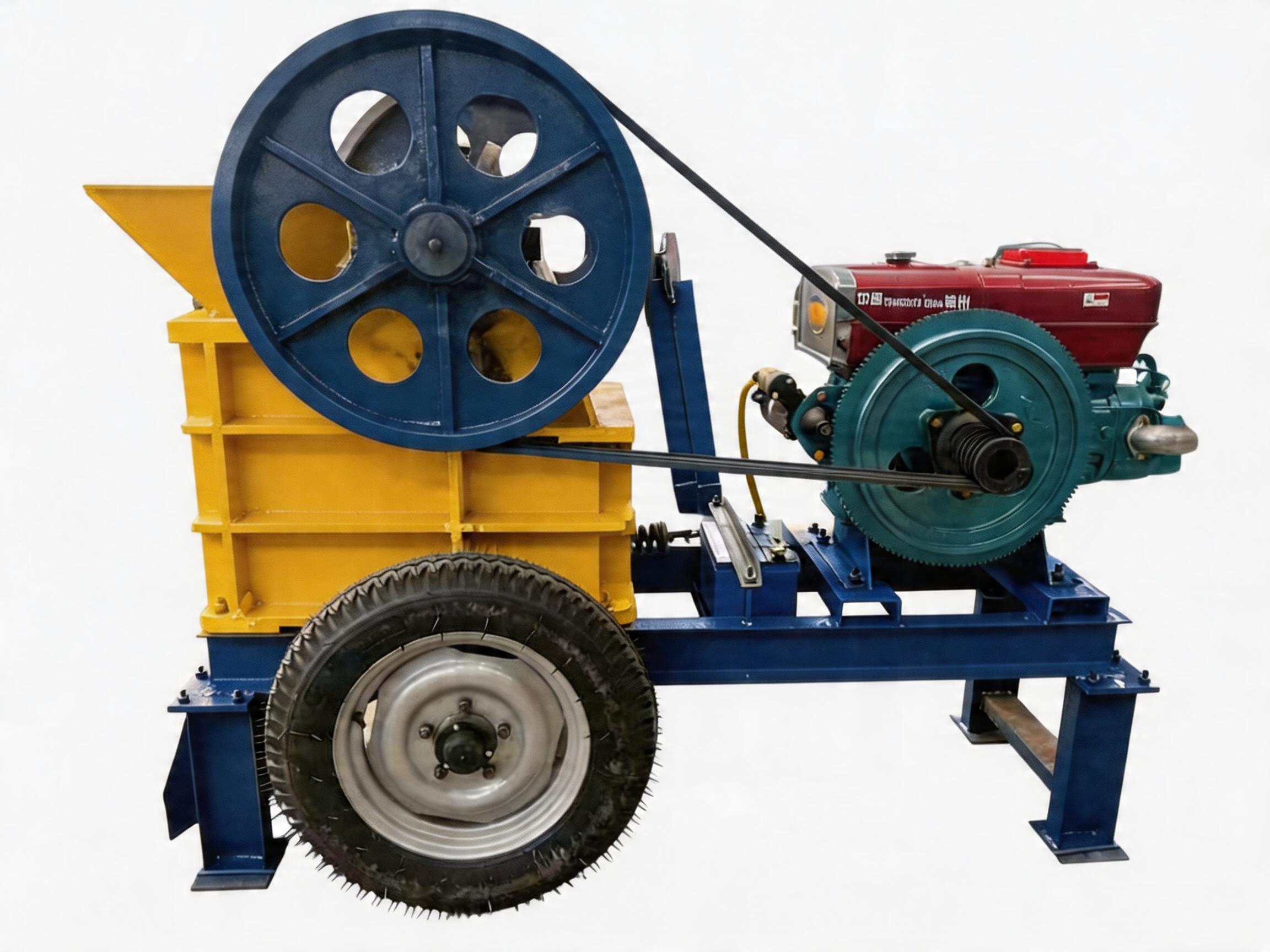
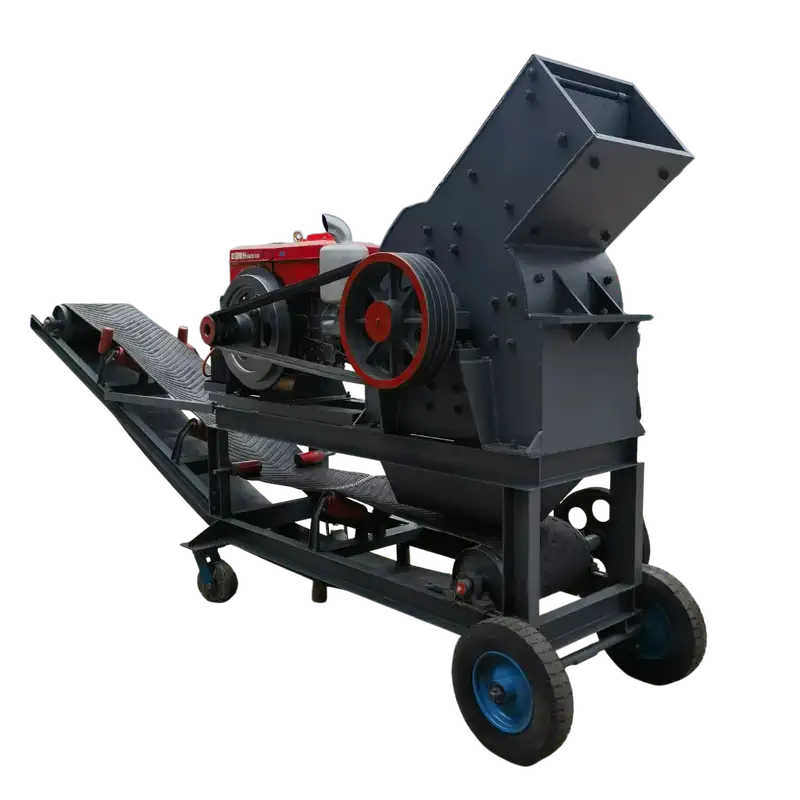
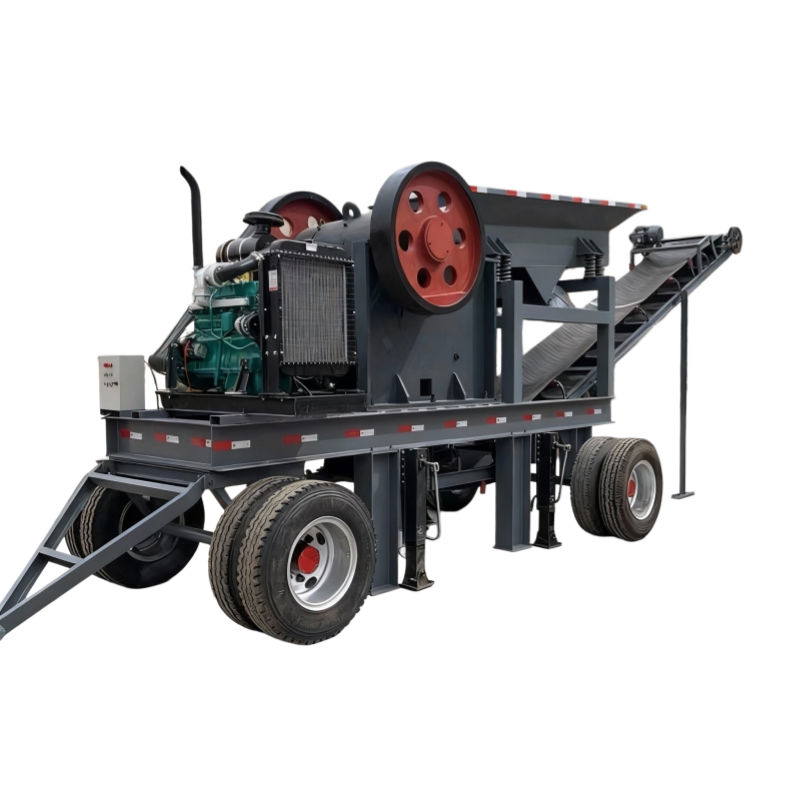
When selecting reliable crushing equipment for mining, quarrying or recycling operations, the 600x900 jaw crusher (commonly known as PE600×900) consistently ranks among the most popular models. Its balance of feed opening, robust construction, and high throughput makes it a workhorse for medium‑scale crushing plants. But before investing, plant managers and contractors need precise data on performance parameters and real‑world output. This guide breaks down every critical specification, clarifies what affects capacity, and shows how to maximize your returns from a 600x900 jaw crusher.
Key Specifications of the 600x900 Jaw Crusher Model
The designation “600×900” already reveals the feed opening dimensions: 600 mm width and 900 mm length (approximately 24″×36″). This size sits between compact primary crushers and heavy‑duty giants, offering excellent versatility. Below are the standard specifications for a typical PE600×900 jaw crusher as supplied by leading manufacturers in the mining machinery sector.
- Feed opening: 600×900 mm (24×36 inches)
- Maximum feed size: 480–500 mm (depending on jaw plate profile)
- Adjustable discharge range (closed side setting): 65–160 mm
- Eccentric shaft speed: 250–275 rpm
- Motor power: 75–90 kW (100–120 HP) – typically a 6‑pole motor
- Overall weight: 15.5–17 tonnes (excluding optional modules)
- Dimensions (L×W×H): approx. 2690×2150×2420 mm
- Jaw plate material: high manganese steel (Mn13Cr2, Mn18Cr2) for wear resistance
- Crushing chamber type: deep symmetrical chamber with optimized nip angle
These 600x900 jaw crusher specifications form the foundation for performance projections. Actual figures can vary slightly between OEMs, but the above numbers represent the industry benchmark.
Performance Parameters Explained
Beyond dimensions, true performance hinges on several interlinked parameters. Understanding them helps in setting realistic expectations and troubleshooting bottlenecks.
Reduction Ratio and Crushing Stroke
The 600x900 crusher typically delivers a reduction ratio of 4:1 to 6:1, depending on the material’s hardness. A specially engineered toggle plate and large eccentric shaft generate a powerful crushing stroke, which directly influences capacity and product shape. The stroke length and swing jaw movement are designed to crush large feed lumps efficiently while minimizing slab‑shaped output.
Motor Power and Energy Efficiency
With 75–90 kW installed power, the PE600x900 jaw crusher offers an excellent power‑to‑capacity ratio. Energy consumption per ton of crushed material is relatively low when the crusher is run at 85‑95% of its rated capacity. Avoid underloading, which reduces efficiency, and overloading, which accelerates wear.
Wear Parts and Downtime
Performance also includes maintenance intervals. The stationary and swing jaws in a 600x900 crusher last anywhere from 400 to over 800 hours, depending on abrasiveness of feed, closed side setting, and manganese grade. Regular monitoring of the output size and jaw profile wear can prevent unscheduled downtime and maintain consistent capacity.
Output Capacity: How Many Tons Per Hour?
The most frequently asked question is: “What is the 600x900 jaw crusher output capacity?” The answer isn’t a single number — it depends on material type, feed gradation, moisture content, and most importantly, the closed side setting (CSS). Below is a realistic output range for common rocks encountered in mining machinery applications.
| Material | CSS (mm) | Capacity (t/h) |
|---|---|---|
| Hard rock (granite, basalt) | 100 | 60–90 |
| Medium‑hard rock (limestone, dolomite) | 100 | 90–140 |
| Soft stone (gypsum, marl) | 100 | 120–180 |
| Blasted quarry feed (mixed) | 125 | 100–160 |
| Recycled concrete/aggregate | 80–120 | 70–130 |
At a tighter CSS (e.g., 70 mm), output drops roughly 20‑30%, but product size decreases and fines increase. Conversely, opening the CSS to 140–160 mm can push a 600x900 jaw crusher capacity beyond 200 t/h for soft materials, but with a coarser product. As a rule of thumb, a well‑fed PE600×900 working on medium‑hard limestone at a 100 mm setting will reliably yield 120–160 tonnes per hour — a sweet spot for many mid‑sized crushing circuits.
Factors Influencing Actual Output
- Feed gradation: Excessive fines clog the chamber; oversized boulders reduce throughput.
- Moisture content: Wet, sticky material can cause bridging and lower effective capacity by 10‑20%.
- Crushing chamber type: A deep chamber profile enhances throughput in hard rock, while a standard chamber might suffice for softer stone.
- Eccentric speed: higher speed increases capacity but also fines generation and wear.
- Proper feed alignment: choke feeding at 90‑100% of the chamber opening stabilizes the output. Intermittent feeding reduces hourly capacity.
Maximizing Productivity and Lifespan of Your 600x900 Jaw Crusher
To extract the best output and longevity from your PE600×900 unit, adopt these proven practices.
- Optimize the nip angle: Ensure the jaw plates are correctly profiled. A nip angle of 18–22° balances throughput and wear.
- Pre‑screening: Remove fines smaller than the CSS before the crusher to increase net capacity and reduce jaw plate wear.
- Regular CSS checks: The closed side setting can drift due to wear. Weekly measurements and adjustments keep product size consistent and safeguard downstream equipment.
- Lubrication: Automatic lubrication systems for the eccentric shaft bearings reduce friction and prevent catastrophic failures.
- Feed control: Use a vibrating grizzly feeder with variable speed to maintain a steady metered feed, avoiding surges.
- Monitor wear patterns: Uneven jaw wear indicates misaligned feed or tramp iron damage. Correcting it early avoids production loss.
Implementing these steps often boosts effective output by 10‑15% and extends jaw plate life by weeks.
Why Choose the 600x900 Jaw Crusher for Your Crushing Plant
Compared to smaller models like 500×750 and larger 750×1060 units, the 600×900 jaw crusher hits a strategic middle ground. Its feed opening accommodates blasted rock up to half a meter, while its output capacity supports a wide range of mobile and stationary plants, from 80 tph aggregates lines to 150+ tph mining circuits. Power requirements are modest, installation is straightforward, and spare parts availability is excellent throughout Asia, Africa, and South America — a critical factor for mining machinery operations in remote locations.
Whether you are upgrading an existing line or commissioning a new plant, the PE600×900 jaw crusher performance parameters make it a cost‑effective, proven choice. For precise sizing, always consult the manufacturer’s data sheet and consider a site‑specific simulation. Beyond the numbers, operator experience and proper maintenance turn a good crusher into a great one.
Ready to improve your crushing efficiency? Explore our complete range of jaw crushers, including the PE600×900, engineered for low operating costs and maximum uptime. Contact our crushing specialists today for a custom throughput analysis and a quote tailored to your operation.